When a client wants realism that won't work, and what I suggest instead
When Realism Won't Work
I get requests all the time for realism pieces that look incredible in a reference photo but won't hold up on skin. Usually it's because the client found a beautiful image—a pet portrait, a landscape, a face—and wants it exactly as is. I get it. But I'd rather be honest upfront than take money for something that'll blur and muddy in five years.
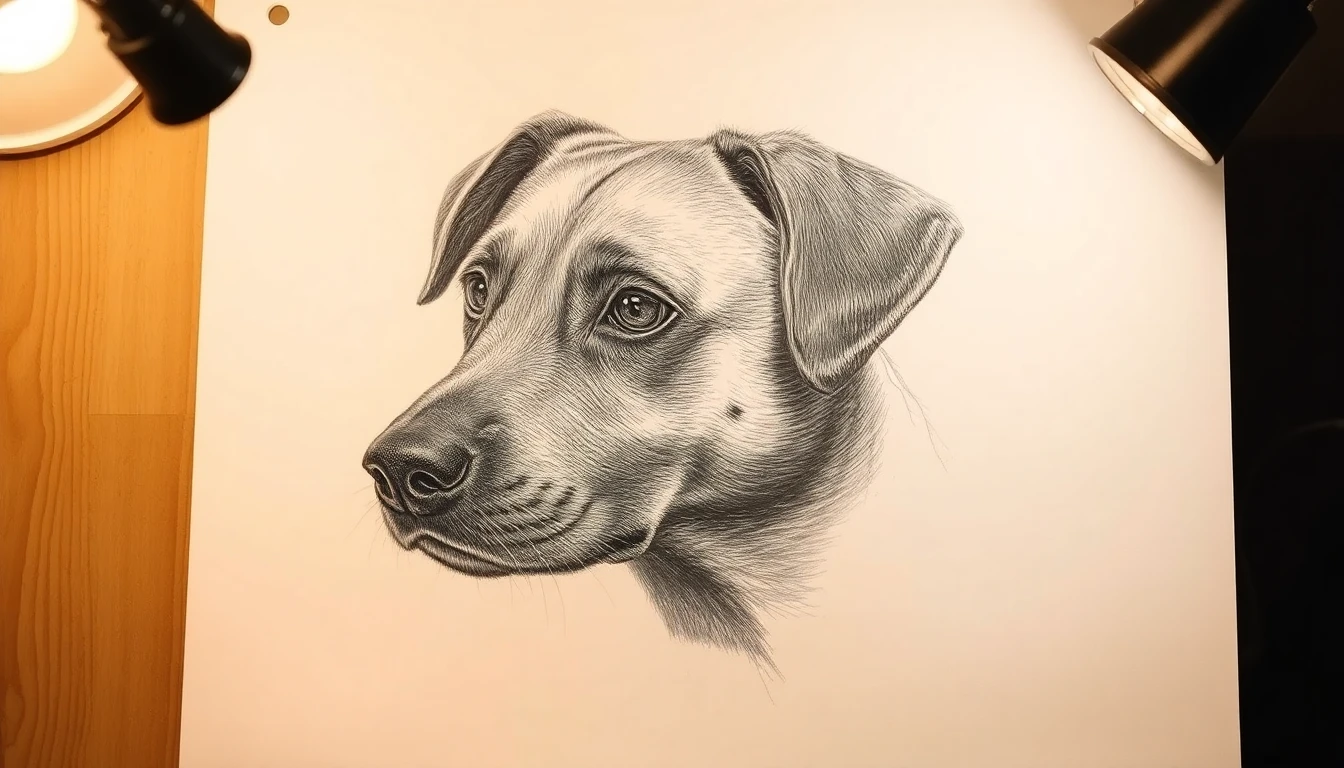
The biggest culprit is overambition with scale. Someone brings a portrait of their dog that's 2x2 inches and wants it on their forearm. At that size, the details I'd need to render—the whiskers, the catchlight in the eye, the texture of the fur—just flatten out. Tattoo ink spreads on skin. It doesn't sit like it does on paper. So, I usually say: go bigger or go simpler. If you want photorealistic detail, I need room to work. A dog portrait at 4x5 inches will read clean and hold that detail for decades. At 2x2, I'm fighting physics. I'd like to say, "you can't fit 10lb of stuff in a 5lb bag".
The other sticking point is complexity in placement. Someone loves a detailed landscape and wants it on their calf or thigh. But skin moves. Muscles contract. Placement matters more in realism than in traditional work because the grain of the image—the focal point, the depth—has to survive that movement. I'm thinking about how the piece will look when their leg is flexed, relaxed, moving. If the image has fine linework or gradations that depend on stillness, that's trouble. I'll usually suggest we shift the design or the placement, or I'll sketch out what it actually looks like when their body moves and let them decide if they're still in.
Sometimes the answer is just style-switching. A client wants their grandmother's portrait rendered photorealistically, but they've got limited skin and time. I'll propose a strong black-and-grey realism at a smaller scale, or I'll suggest we lean into American Traditional portraiture instead—bold lines, strong presence, totally different energy. That piece might hit harder than a tiny photorealistic attempt.
The key is saying no early. I'd rather spend an hour sketching options and talking through what works than rush into something I know won't age well. A client appreciates that more than they resent hearing that their idea needs adjustment.