How I plan a realism piece (reference, sketch, transfer, run order)
How I plan a realism piece
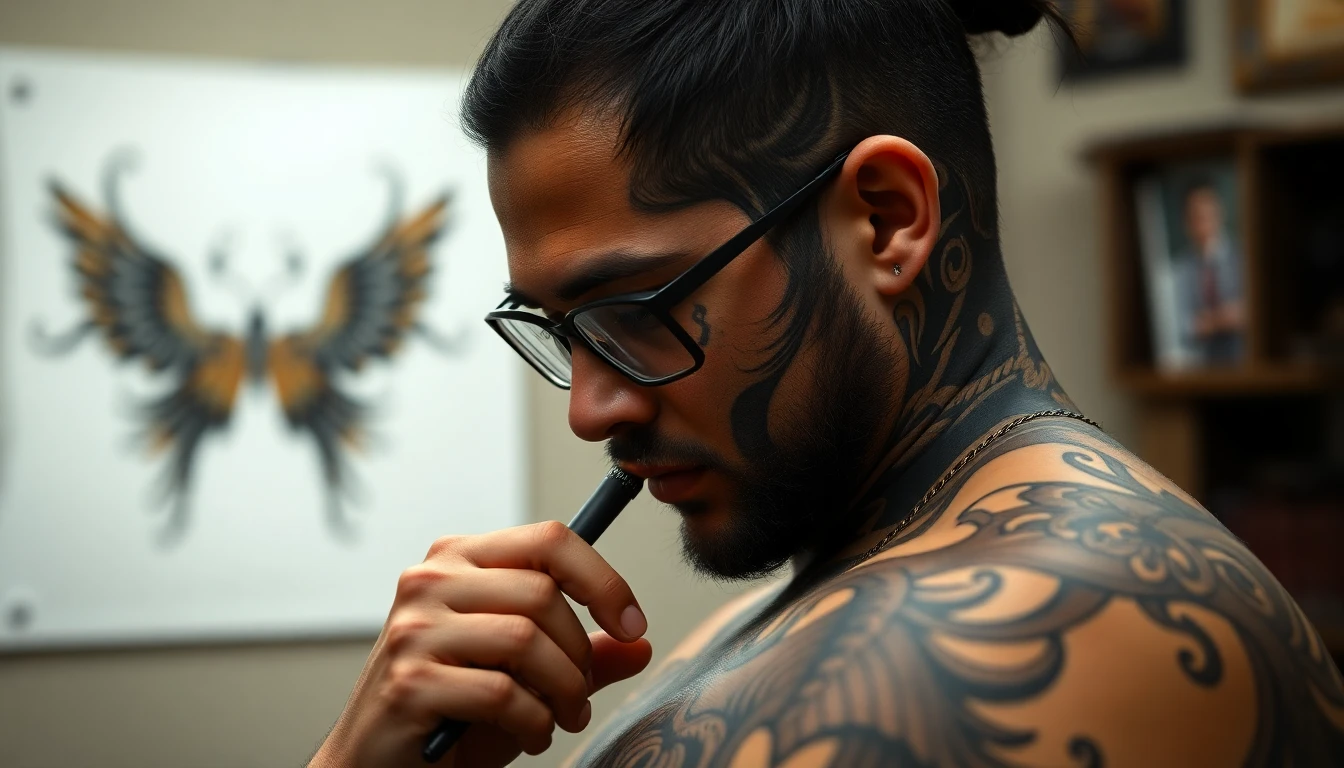
When someone wants a realism piece, I don't start by drawing on skin. I start by sitting down with their reference photo — sometimes one image, sometimes they'll bring five angles of the same subject, which I actually prefer. if need be, I do research on what they want. I try to add my own expertise if needed to make sure it can be tattooed. I'm looking for what works and what doesn't. A photo might be gorgeous but lit in a way that'll make shadow placement impossible on skin. Or the angle's perfect but the expression needs subtlety I've learned I can dial in by drawing first.
First pass is composition — where does this sit on the body, how do I use the curve of an arm or the natural lines of the chest. I'm thinking about skin movement too. A portrait on the inner forearm reads differently than one on the outer shoulder, and I adjust line weight and sharpness accordingly although if i can get away with it I prefer no lines. That second sketch gets detailed, but I normally use photos and generated digitally for production time and ai leverages to make sure I didn't miss anything. I'm making decisions about what shadows I'll compress, where I'll push contrast, which highlights I can leave as negative space versus where I need actual white ink or bare skin. This is where realism lives — not in copying the photo, but in translating it so it lands right on a moving body.
Once the design feels solid, I transfer it to the skin using stencil. I usually do a light first outline with the machine just to lock placement, then step back. This is my last bailout moment. I show the client, we check proportions, make sure it's where they want it. Then I start shading. With realism, I typically run the piece in one session if it fits the timeline — maybe four to six hours for a medium portrait. I know some artists break this into sessions, but I've found that realism holds better when the layers of grey build in one continuous run. The skin's still in the same state, I'm not re-traumatizing it, and the values read true because I'm not second-guessing myself across multiple healing cycles.
I'm running the whole thing in black and grey when I do pure realism, no jumps to color. The depth and texture come from value relationships, from how tight or loose I'm holding my lines, from knowing when to back off and let skin show through. By the time the needle comes out, I've already spent weeks with this piece in my head. The session itself is just the last sentence of a conversation that started on paper.