
Debunking Tattoo Myths: What You Really Need to Know Before Getting Inked


Understanding Tattoo Misconceptions
Tattoos have been around for centuries, yet many myths and misconceptions still surround the art form. Whether you’re considering your first tattoo or adding to your collection, understanding the truth behind these myths can help you make informed decisions about your body art.

Myth 1: Tattoos Are Only for Certain Types of People
One of the oldest stereotypes is that tattoos are only for specific groups of people, like rebels or non-conformists. In reality, tattoos have become mainstream, embraced by people from all walks of life including professionals, parents, and even seniors. The reasons for getting a tattoo are as diverse as the people who have them.
Whether it’s a meaningful symbol, a tribute to a loved one, or simply an aesthetic choice, tattoos can carry significant personal meaning. It’s important to remember that tattoos are a form of self-expression open to everyone.
Myth 2: Tattoos Are Extremely Painful
While it’s true that getting a tattoo involves some level of discomfort, the pain is often exaggerated. The sensation varies depending on personal pain tolerance and the location of the tattoo. Areas with more flesh tend to be less painful than bony areas.

Many people describe the feeling as a slight burning or scratching sensation. Experienced tattoo artists can help minimize discomfort by working efficiently and providing guidance on how to relax during the process.
Myth 3: Tattoos Are Permanent and Unchangeable
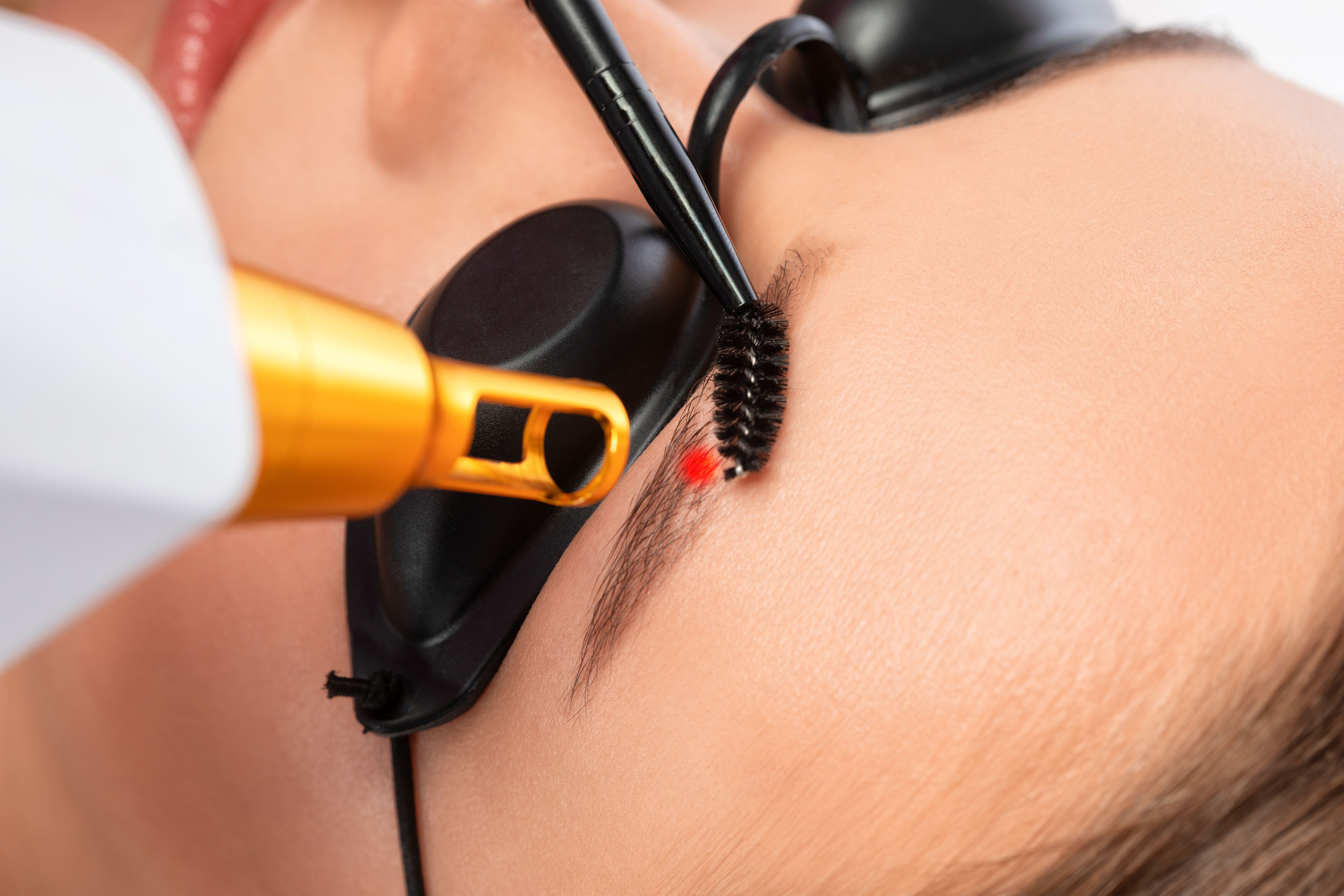
Although tattoos are meant to be permanent, advances in tattoo removal technology have made it possible to alter or remove them. Laser removal is a common method, though it can be costly and time-consuming.
Additionally, cover-up tattoos can transform an existing design into something new. It's crucial to choose a reputable artist and thoughtful design to minimize the likelihood of future regret.
Myth 4: Tattoos Can Cause Health Issues
Concerns about health risks are valid, but tattoos are generally safe when done by professional artists in clean, regulated environments. Reputable studios follow strict hygiene practices to prevent infections and complications.
- Ensure your artist uses new, sterile needles for each client.
- Follow aftercare instructions carefully to promote healing.
- Check for any allergies to ink ingredients beforehand.
Myth 5: Tattoos Fade Quickly
While tattoos can fade over time, proper care and maintenance can keep them vibrant for years. Factors such as sun exposure, skin type, and the quality of ink used can affect how a tattoo ages.
Protecting your tattoo from the sun by using sunscreen and keeping your skin moisturized can help preserve its appearance. Regular touch-ups can also maintain the tattoo’s original look.

Making an Informed Decision
When considering a tattoo, it’s essential to separate fact from fiction. Understanding the realities of tattooing can help you make informed choices and ensure your body art is a source of pride and joy for years to come.
Remember, a tattoo is a personal journey, and debunking these myths is just the first step in making the best decision for yourself.